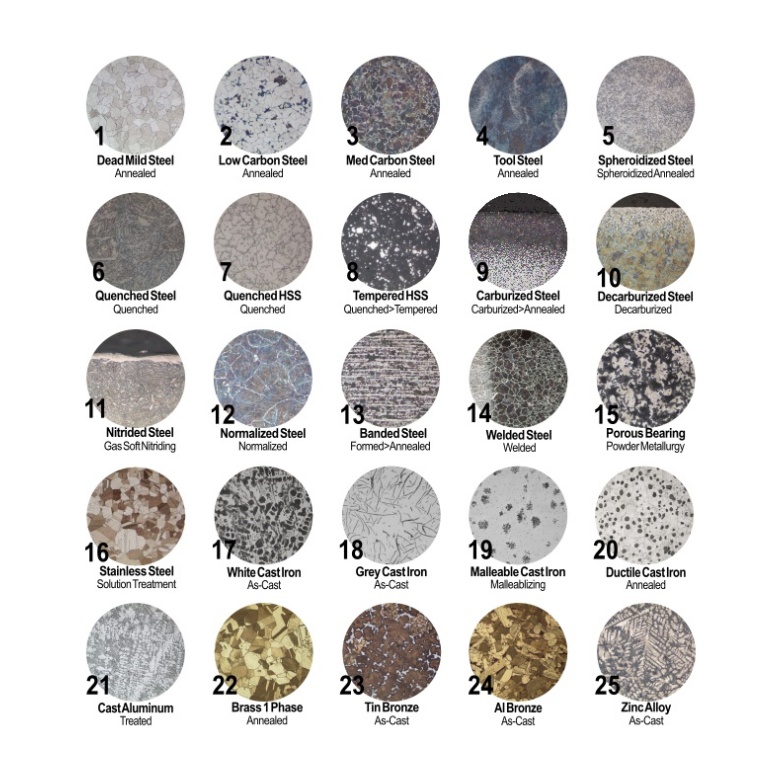
"Reveal the underlying truth."
Metallography refers to the study of metal microstructure under microscope, to describe the phases, grain distribution and
molecular structure. These information dictates the mechanical behaviour of metal, as well as thermal & electrical properties.
Previous section has discussed microscopy products, which are used to reveal the microstructure. Brightfield (BF) is the most common contrast method in metallography, while DF, Pol & DIC are used occasionally in failure analysis.
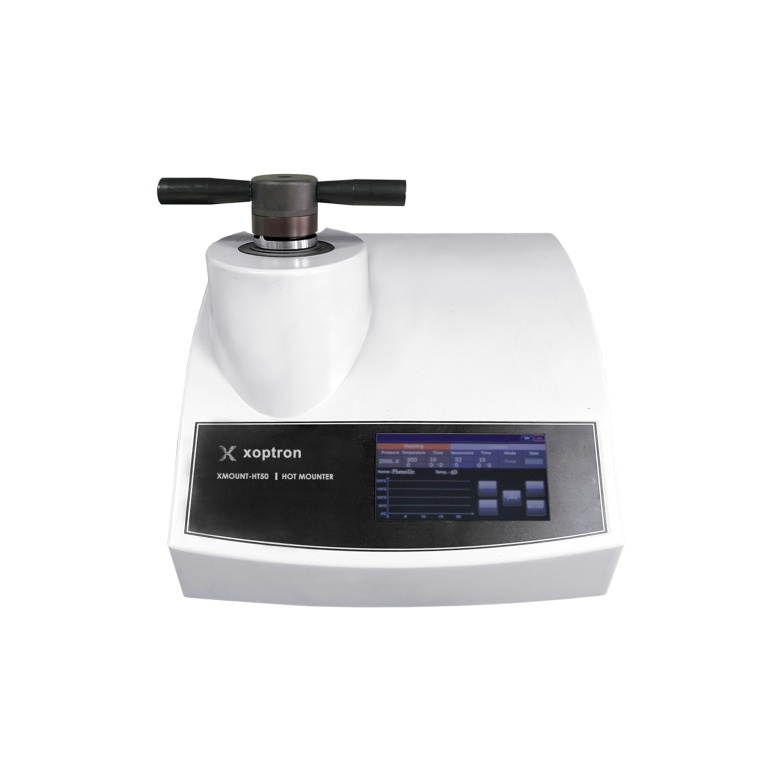
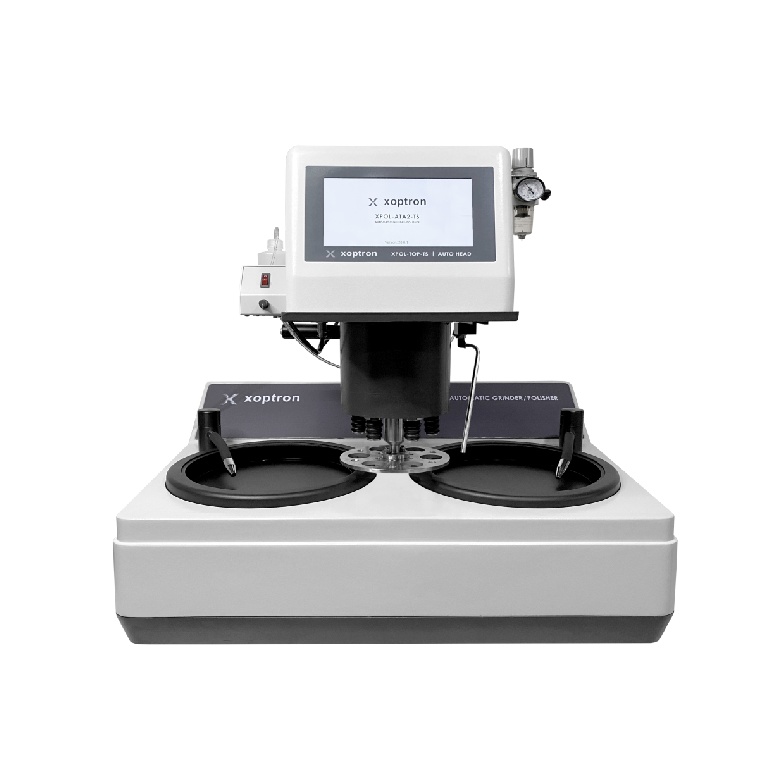
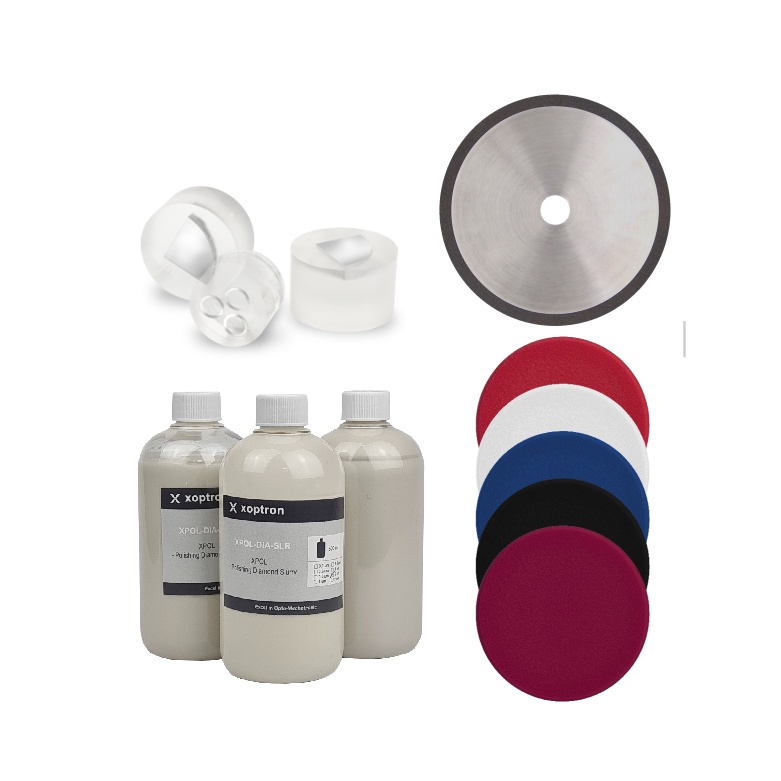
It is necessary to prepare a metal sample using correct techniques for a valid observation. These techniques, generally termed as "sample preparation", consists of four major staples - cutting, mounting, grinding/polishing & etching. The ultimate aim of sample preparation is to reveal the actual processing microstructure, without introducing misleading trace resulted from the preparation steps. Therefore, the effects (heat afffected zone, chemical reaction etc.) of every preparation step needs to be thoroughly understood.
These days, sample preparation applies not only in metals, but also polymeric and ceramic materials to meet rapid technological development for broad spectrum of manufacturing applications. Thus, the term "materialography" is getting more widely
adopted to cover also plastography and ceramography.
 metallography

 metallography
 metallography